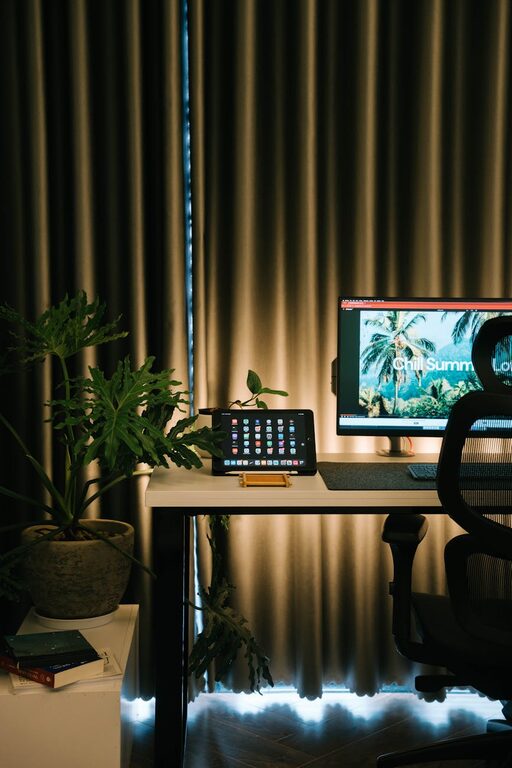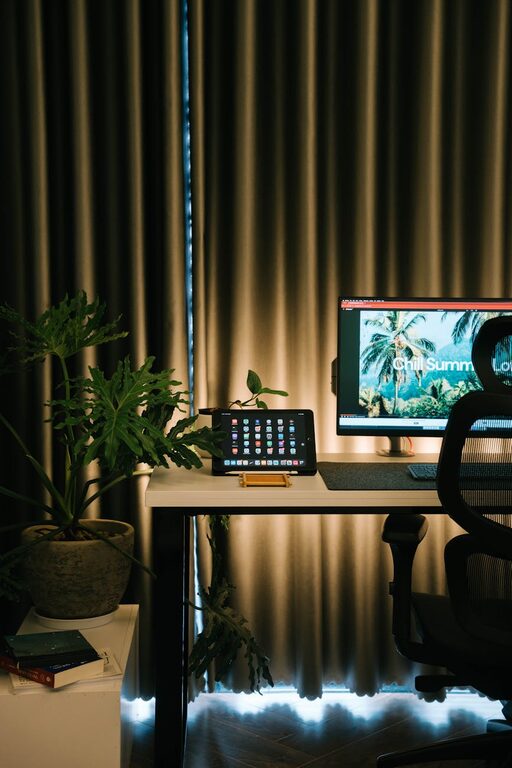
Creating a cozy and productive home office space is essential for anyone working from home or pursuing creative projects. A well-designed workspace not only enhances your focus and efficiency but also makes your workday more enjoyable. Whether you have a dedicated room or a small corner of your living area, with thoughtful planning, you can create an inviting environment that supports your goals. Here are some practical tips to help you design a home office that feels both comfortable and productive.
Choose the Right Location
Prioritize Natural Light
Selecting a spot with plenty of natural light can boost your mood and reduce eye strain. Position your desk near a window if possible. If natural light is limited, invest in a good quality desk lamp with adjustable brightness and color temperature to mimic daylight.
Consider Noise Levels
Pick a quiet area where you can concentrate without frequent interruptions. If a completely quiet space isn’t available, consider using noise-canceling headphones or white noise machines to create a focused atmosphere.
Invest in Comfortable, Functional Furniture
Ergonomic Chair
Your chair plays a huge role in comfort and posture. Choose an ergonomic chair that supports your lower back and allows your feet to rest flat on the floor. This helps prevent discomfort during long working hours.
Desk Size and Shape
Select a desk that fits your workspace and provides enough surface area for your computer, documents, and any other essentials. Adjustable desks or standing desks can add flexibility to your routine by allowing you to alternate between sitting and standing.
Organize Efficiently to Minimize Clutter
Use Smart Storage Solutions
Keep your workspace tidy by incorporating shelves, drawers, or filing cabinets. Use boxes, trays, and organizers to arrange items like stationery, cables, and documents neatly.
Declutter Regularly
Set a routine to clear your desk at the end of each day. A clean workspace fosters a calm mind and helps you start fresh each morning.
Personalize Your Space
Add Cozy Elements
Incorporate soft textures with cushions, rugs, or a throw blanket to create warmth and comfort. Consider colors that soothe you, such as soft blues, greens, or warm neutrals.
Display Inspiring Items
Include personal touches like photos, plants, or artwork that motivate you and bring happiness to the room without creating distractions.
Optimize Lighting for Productivity
Layered Lighting
Combine ambient, task, and accent lighting to create a balanced environment. Ambient light fills the room, task lighting focuses on your work area, and accent lighting adds personality.
Avoid Glare
Position your monitor to minimize screen glare from windows or lights. Use screen filters or adjustable blinds to control lighting as needed.
Incorporate Technology Thoughtfully
Manage Cables
Use cable organizers or clips to keep cords tidy and out of sight. This not only looks neat but also reduces hazards.
Reliable Equipment
Invest in quality equipment like a fast computer, a comfortable keyboard and mouse, and a good webcam and microphone if you attend video meetings. This helps reduce frustration and enhances your productivity.
Create Zones for Different Activities
If your space allows, designate distinct areas for tasks such as computer work, brainstorming, or reading. Having separate zones can help you mentally switch between different activities and stay organized.
Take Breaks and Move Around
Remember, even the best office space won’t help if you sit too long. Schedule regular breaks to stand, stretch, and move. Consider adding a small balance ball, footrest, or even a standing desk converter to encourage more movement.
Keep Air Quality Fresh
Good air circulation supports focus and well-being. Open windows when possible or use an air purifier to keep the air clean. Adding a few indoor plants can also improve air quality and add a touch of nature.
Final Thoughts
Designing a cozy and productive home office is about balancing comfort with functionality. By choosing the right location, investing in ergonomic furniture, organizing efficiently, and personalizing your space, you’ll create a work environment that helps you feel motivated and relaxed. Remember, your workspace should reflect your needs and preferences — there’s no one-size-fits-all approach, so feel free to experiment until you find what works best for you. Happy workspace designing!
About the Author