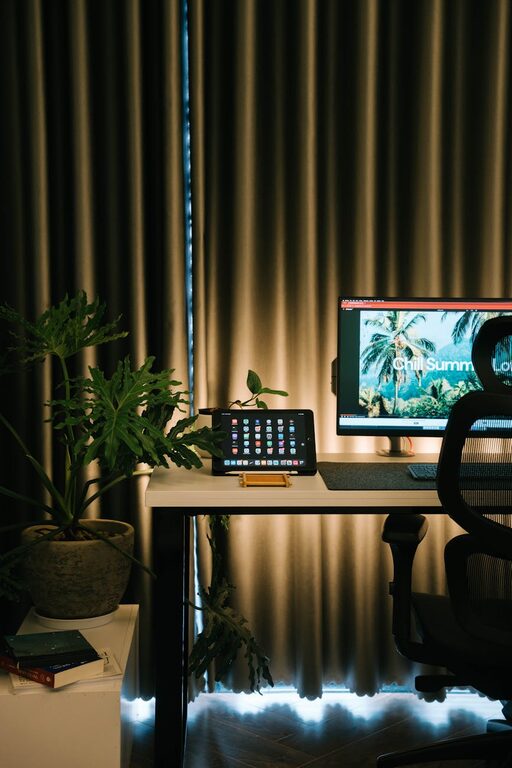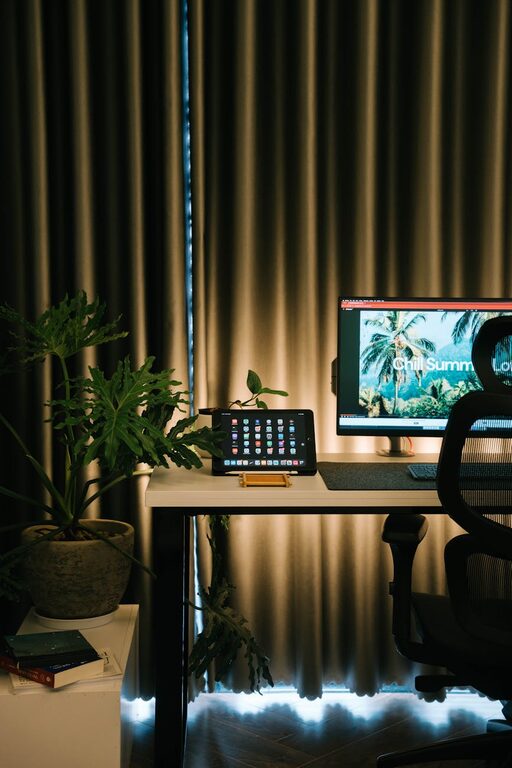
Creating a relaxing home workspace is essential for staying productive and focused, especially when working remotely. A well-designed work area not only helps reduce stress but also encourages creativity and efficiency. Whether you have a dedicated room or a small corner, these tips will guide you in crafting a comfortable and calming workspace that elevates your daily work experience.
Why a Relaxing Workspace Matters
When your workspace feels inviting and peaceful, you’re more likely to enjoy your workday and maintain motivation. A cluttered or uncomfortable environment can cause distractions and fatigue, making it harder to concentrate. By prioritizing relaxation and functionality, you create a space where productivity can thrive naturally.
Choosing the Right Location
Pick a Quiet Spot
Select a location in your home that has minimal noise and foot traffic. This helps you focus and limits interruptions during work hours.
Consider Natural Light
Natural light boosts mood and energy levels. Position your desk near a window to take advantage of daylight. If natural light is limited, invest in good-quality artificial lighting that mimics daylight to reduce eye strain.
Comfortable and Supportive Furniture
Invest in an Ergonomic Chair
A supportive chair that promotes good posture can prevent discomfort during long work sessions. Look for adjustable features such as seat height, backrest angle, and lumbar support.
Choose a Suitable Desk
Your desk should fit your space and meet your work needs. If possible, use a desk that allows you to alternate between sitting and standing, promoting movement throughout the day.
Organize to Minimize Distractions
Declutter Regularly
Keep your workspace tidy by removing unnecessary items. A clean environment helps clear your mind and improves focus.
Use Storage Solutions
Utilize shelves, bins, and organizers to keep supplies and documents in order. Labeling storage containers can make it easier to find what you need quickly.
Personalize Your Space Tastefully
Add Soothing Elements
Incorporate items that promote calmness, such as plants, artwork, or soft textiles. Greenery not only brightens the area but also improves air quality.
Keep It Simple
Avoid overcrowding your workspace with too many personal items. A minimalist approach helps maintain a serene atmosphere.
Manage Noise and Distractions
Use Noise-Canceling Headphones
If you can’t control environmental sounds, noise-canceling headphones or ambient music can help maintain concentration.
Set Boundaries
Communicate your work hours with family or housemates to minimize interruptions during focused time.
Enhance Air Quality and Temperature
Ventilate Regularly
Fresh air can improve alertness and comfort. Open windows when possible or use an air purifier.
Maintain Comfortable Temperature
Ensure your workspace is neither too hot nor too cold. Use fans, heaters, or climate control to create a comfortable environment.
Utilize Technology Wisely
Organize Your Digital Workspace
Keep your computer desktop and files organized to reduce digital clutter.
Use Productivity Tools
Timers, task lists, and focus apps can help manage workflow and breaks effectively.
Take Breaks and Move
Regular short breaks improve mental well-being and prevent burnout. Stand up, stretch, or take a brief walk to refresh your mind and body.
Final Thoughts
A relaxing home workspace is more than just a place to work; it’s an environment that supports your well-being and productivity. By carefully considering location, furniture, organization, and personalization, you can create a space that makes working from home both efficient and enjoyable. Start small by implementing a few changes and observe how your focus and mood improve throughout the day.
About the Author