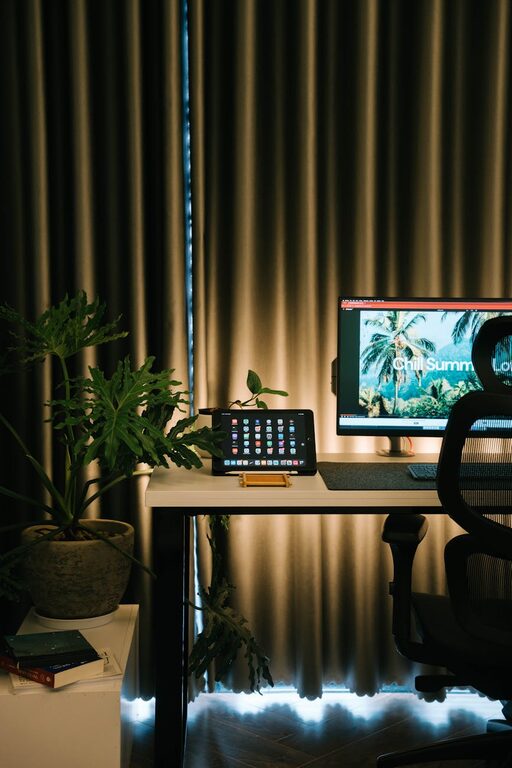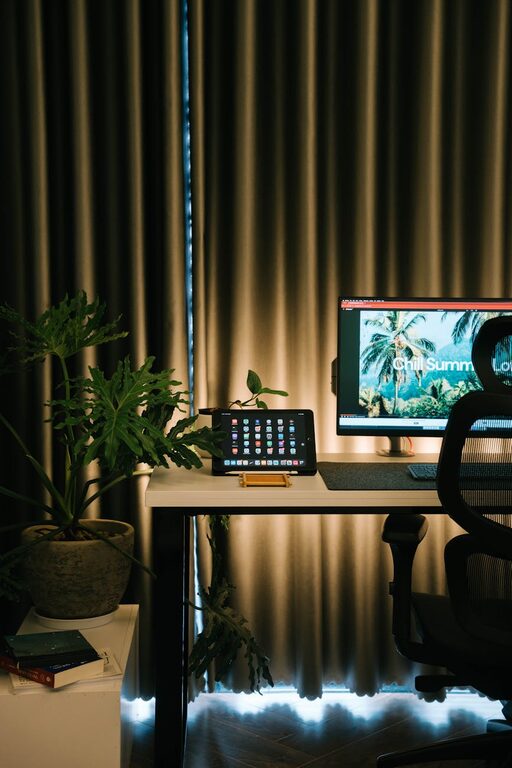
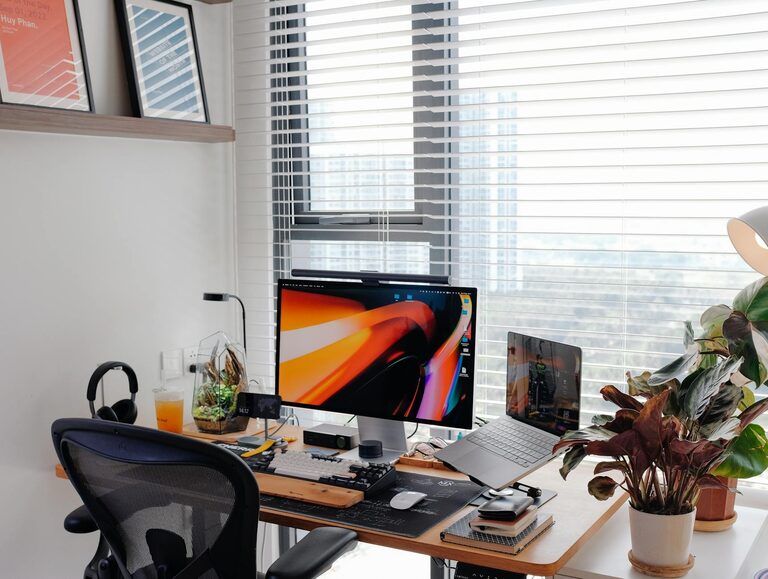
Creating a comfortable and productive home office space is essential as many people continue to work remotely or blend home and office life. A well-designed workspace can improve focus, reduce stress, and increase overall job satisfaction. Whether you have a dedicated room or a small corner in your home, the right setup can make a significant difference.
Choose the Right Location
The first step in creating your home office is selecting the right spot. Here are some factors to consider:
– Natural Light: Pick a space with plenty of natural light. Sunlight boosts mood and energy, making it easier to stay alert and motivated.
– Quiet Environment: Choose a quiet area away from distractions like TV noise or household traffic.
– Space: Make sure there is enough room for your desk, chair, computer, and any other tools you use regularly.
If space is limited, consider creative solutions like a fold-away desk or a laptop table that can be stored when not in use.
Invest in Ergonomic Furniture
Comfort is key to staying productive throughout the day. Consider the following:
– Chair: Choose an ergonomic chair with adjustable height, lumbar support, and comfortable cushioning.
– Desk: A desk at the right height will prevent strain on your arms and back. Adjustable desks or sit-stand desks provide flexibility.
– Monitor Placement: Your computer monitor should be at eye level, about 20 inches from your face, to reduce neck strain.
Taking care of your posture can help avoid discomfort and long-term health issues.
Organize Your Workspace Effectively
A clutter-free workspace supports clear thinking and efficiency. Tips for organizing your office include:
– Declutter Regularly: Remove unnecessary items to keep surfaces clean.
– Storage Solutions: Use shelves, drawers, and boxes to store papers, office supplies, and cables.
– Desk Layout: Keep frequently used items within arm’s reach to minimize distractions and wasted motion.
– Cable Management: Use clips, ties, or tubing to keep cables tidy and out of the way.
Maintaining an organized office reduces stress and saves time searching for items.
Optimize Lighting and Ambiance
Good lighting is important to avoid eye strain and maintain focus.
– Task Lighting: Use a desk lamp to illuminate your work area without glare on your screen.
– Ambient Lighting: Combine natural daylight with soft artificial lights to create a warm atmosphere.
– Reduce Screen Glare: Position your monitor perpendicular to windows and use blinds or curtains to control brightness.
Besides lighting, adding elements such as plants, artwork, or personal items can make the office feel inviting and boost creativity.
Manage Noise and Distractions
Creating a distraction-free zone helps you concentrate better:
– Noise-Canceling Headphones: Useful if you cannot control background noise.
– Soundproofing: Consider rugs, curtains, or wall panels to absorb noise.
– Clear Boundaries: Communicate your work hours to family or roommates and use door signs if necessary.
Minimizing distractions supports longer periods of deep work.
Use Technology Wisely
Technology can enhance productivity but may also cause distraction if not managed well.
– Reliable Internet: Ensure your connection is strong and fast.
– Essential Tools: Choose software and apps that help with task management, video calling, and document sharing.
– Limit Notifications: Turn off non-essential alerts to stay focused.
Investing in quality peripherals like a good keyboard, mouse, and webcam can improve your work experience.
Take Regular Breaks and Personalize Your Space
Working from home makes it easy to either overwork or feel unmotivated. To find balance:
– Break Schedule: Use techniques like the Pomodoro method to take short, regular breaks.
– Comfort Items: Add cushions, a footrest, or a small fan to improve comfort.
– Personal Touch: Include items that inspire you such as photos, motivational quotes, or plants.
This balance helps maintain energy and prevent burnout.
Conclusion
Designing a home office that is both comfortable and productive takes attention to detail and personal preference. By choosing the right location, investing in ergonomic furniture, staying organized, optimizing lighting, reducing distractions, making smart tech choices, and personalizing the space, you can create an environment that supports your best work. Remember, your home office should work for you, adapting as your needs evolve.
About the Author