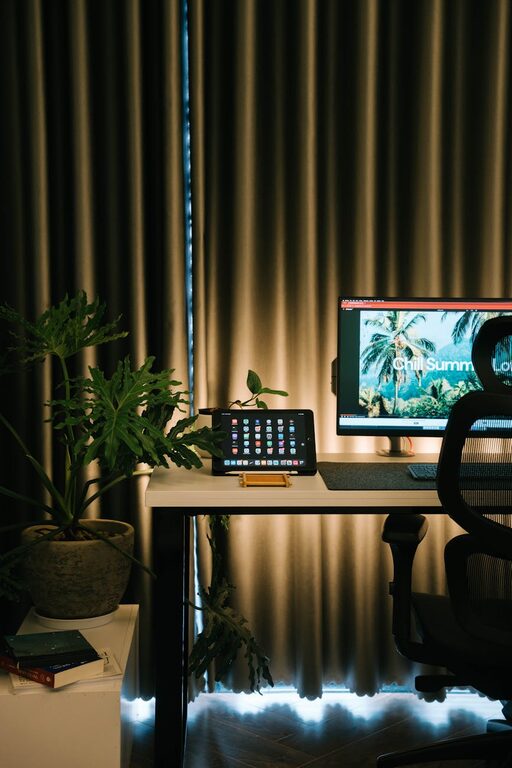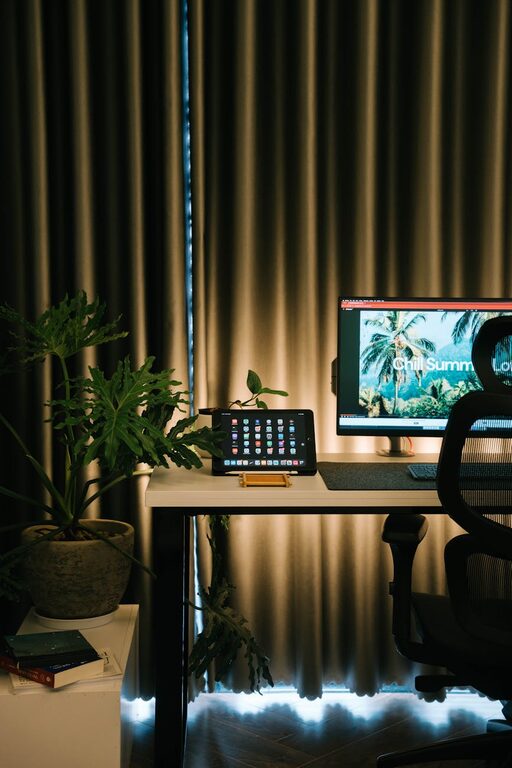
Creating a home office space that is both comfortable and productive can transform the way you work from home. A well-designed workspace helps reduce distractions, improves focus, and supports healthy work habits. Whether you have an entire room or just a small corner, these tips will guide you in setting up an efficient and inviting home office.
Choose the Right Location
Prioritize Natural Light
Natural light has a positive effect on mood and energy levels. Try to set up your workspace near a window to take advantage of daylight. This will help reduce eye strain and create a more pleasant environment.
Minimize Distractions
Select a spot away from high-traffic areas like the kitchen or living room if possible. A quieter location will help you concentrate better and establish clear boundaries between work and home life.
Consider Privacy and Noise
If you live with family or roommates, think about noise levels and privacy. Using noise-cancelling headphones or adding soundproofing materials like rugs and curtains can help create a quieter workspace.
Invest in Ergonomic Furniture
Comfortable Chair
Choose a chair that supports good posture with adjustable height and lumbar support. Comfort is essential since you might spend several hours seated each day.
Functional Desk
Pick a desk size that fits your needs without overcrowding your space. Standing desks or adjustable desks offer flexibility to change between sitting and standing, which can improve circulation and reduce fatigue.
Organize with Accessories
Use monitor stands, keyboard trays, or laptop risers to keep your devices at eye level and reduce strain on your neck and wrists.
Optimize Your Workspace Layout
Declutter Regularly
A tidy desk boosts focus and creativity. Keep only essential items on your surface and store others in drawers or shelves.
Use Storage Solutions
Incorporate shelves, filing cabinets, or storage boxes to keep documents and office supplies organized. Label containers for easy access.
Manage Cables
Tangle-free cables not only improve aesthetics but also prevent accidents. Use cable clips, ties, or under-desk organizers to keep wires neat.
Enhance Lighting and Ambiance
Combine Lighting Sources
Besides natural light, use a combination of overhead lighting and task lighting. A desk lamp with adjustable brightness can help during late hours.
Choose Warm Light
Warm lighting creates a cozy atmosphere that reduces eye strain compared to harsh fluorescent lights.
Add Personal Touches
Incorporate items like plants, artwork, or inspirational quotes to make the space inviting. Greenery can increase oxygen and reduce stress.
Set Boundaries and Establish Routine
Define Work Zones
Clearly separate your workspace from living areas to mentally switch between work and relaxation. Consider using room dividers or rugs to delineate the area.
Set Work Hours
Establish consistent start and finish times to structure your day. This helps maintain productivity and avoid burnout.
Take Breaks
Regular breaks improve focus and physical health. Stretch, walk around, or practice mindfulness to recharge.
Utilize Technology Wisely
Reliable Internet Connection
Ensure your connection is stable and fast enough for video calls and large file transfers.
Quality Equipment
Invest in good headphones, a webcam, and a microphone for clear communication during virtual meetings.
Backup Devices
Keep chargers and extra batteries handy to avoid interruptions.
Maintain a Healthy Environment
Air Quality
Keep the space well-ventilated by opening windows or using air purifiers when needed.
Temperature Control
Maintain a comfortable temperature with fans, heaters, or air conditioning as appropriate.
Encourage Movement
Use a balance board, footrest, or take standing breaks to avoid prolonged inactivity.
—
By thoughtfully setting up your home office with these tips, you can create a space that supports better work habits and overall well-being. Taking the time to tailor the environment to your needs will pay off in increased comfort, focus, and satisfaction. Happy working!
About the Author